
 Posted by
 Ever wondered what happens when you’re asked to take a breathalyzer test during a traffic stop? Saying no to a breathalyzer test can lead to a big legal problem. Most drivers don’t see this coming.
Choosing not to take a DUI test isn’t easy. In places like Washington and Utah, it can take away your driving rights right away. The rules about breathalyzer tests are complex. They can cause big problems that last long after the stop.
Knowing your rights during a DUI check can really help. It can protect your driving record and freedom. Each state has its own rules for breathalyzer tests. It’s very important to know what they are in your area.
Key Takeaways
- Refusing a breathalyzer test can result in automatic license suspension
- Implied consent laws create legal obligations for drivers
- Penalties vary significantly between different states
- Law enforcement has alternative methods to prove intoxication
- Consulting a legal professional can help navigate complex DUI laws
Understanding Breathalyzer Tests
Breathalyzer tests are key in fighting drunk driving in the U.S. They help police check if a driver has too much alcohol. This is done during stops, showing if someone might be driving under the influence.
What is a Breathalyzer Test?
A breathalyzer test checks how much alcohol is in your breath. It’s used to see if someone has been drinking too much. This helps keep roads safe by stopping drunk drivers.
How Do Breathalyzer Tests Work?
Breathalyzers use special sensors to find alcohol. They work in a few ways:
- Fuel cell sensors
- Infrared spectroscopy
- Semiconductor oxide sensors
Types of Breathalyzers
There are different breathalyzers for checking for drunk driving:
| Breathalyzer Type | Primary Use | Accuracy Level |
|---|---|---|
| Portable Breath Tests | Roadside screening | Moderate |
| Evidential Breath Testing Devices | Legal proceedings | High |
| Personal Breathalyzers | Personal alcohol monitoring | Variable |
Knowing how breathalyzers work is important. It helps people understand DUI laws and what happens if you refuse a test. Each type of test has its own role in stopping drunk driving.
Legal Context of Breathalyzer Refusal
Understanding breathalyzer tests is key for drivers. Knowing what happens if you refuse is important. It helps you make smart choices during a DUI arrest.
Implied Consent Laws Explained
Implied consent laws are basic rules for chemical tests. When you get a driver’s license, you agree to breathalyzer tests if you’re suspected of DUI. These laws are in all 50 states, but each state has its own rules.
- Driving is considered a privilege, not a right
- License holders implicitly consent to chemical testing
- Refusal can trigger immediate legal consequences
Consequences of Refusing a Breathalyzer
Refusing a breathalyzer test can lead to big penalties. Most states have harsh legal consequences. These penalties are often worse than DUI charges.
| Refusal Consequence | Typical Penalty |
|---|---|
| License Suspension | 6-12 months |
| Potential Fines | $500-$2,500 |
| Potential Jail Time | Up to 6 months |
Exceptions to Implied Consent
Some rare cases might let you refuse a test. Medical conditions or physical limitations could be reasons. But, these are checked closely by lawyers.
Remember, refusing a breathalyzer can hurt you a lot. It can affect your driving rights, insurance, and even job chances.
State-Specific Laws on Breathalyzer Refusal
Driving under the influence laws change a lot from state to state. It’s very important to know the rules about breath tests and what happens if you don’t take one. Each state has its own way of dealing with these tests and the penalties for not taking them.
The rules about not taking a breath test are complex. They can lead to big problems for drivers. It’s key to know these rules well to make smart choices during a traffic stop.
Variations Across Different States
How states handle breath test refusal is different. For example:
- North Carolina takes away driving licenses for 30 days if you refuse
- West Virginia suspends licenses for a year on the first refusal
- New Hampshire suspends licenses for 180 days for the first time
Penalties in Major States
Refusing a breath test can lead to big problems. In many places, drivers face:
- Automatic license suspension
- Possible extra criminal charges
- Having to install ignition interlock devices
State Enforcement Case Studies
How states enforce breath test refusal laws shows important lessons. Implied Consent Laws mean you agree to tests when you get a driver’s license. Courts often see not taking a test as trying to hide being drunk.
Even without a breath test, police can use other evidence. This includes:
- Field sobriety test results
- What the officer saw
- What others said
- Body camera footage
Remember, not taking a breath test doesn’t mean you won’t face legal trouble. It might even make things worse.
The Impact of Refusal on Legal Proceedings
Dealing with DUI charges can be tough, even more so with breathalyzer test refusal. It’s key to know the possible outcomes for those facing legal battles.
- Prosecutors might see it as proof of guilt.
- Not taking the test can lead to harsher penalties.
- License loss happens right away.
How Refusal Affects DUI Charges
In places like Minnesota, refusing a test is risky. A first refusal can mean your license is gone for one year. If you refuse again, it could be up to three years.
Potential Evidence in Court
Getting legal help is very important when you refuse a DUI test. Courts might see it as a sign you were impaired. This can hurt your case in court.
| Refusal Scenario | Potential Consequences |
|---|---|
| First-Time Refusal | 1-Year License Revocation |
| Subsequent Refusals | Up to 3-Year License Suspension |
| Criminal Charges | Gross Misdemeanor Possible |
Strategies for Defense Attorneys
Defense lawyers need to look closely at why you refused the test. They might question the stop, check how the test was given, or try to get a better deal for you.
- They might question the stop.
- They’ll check how the test was done.
- They might try to get a better deal.
When You Should Consider Refusing
Understanding breathalyzer tests is tricky. It’s important to know the legal risks and consequences. Refusing might seem easy, but it can lead to big legal problems.
Situations Where Refusal Might Be Considered
Refusal of a breathalyzer test can depend on the situation. Some rare cases might make you think about refusing:
- When you suspect faulty equipment
- If the officer lacks proper certification
- When there are procedural inconsistencies
Risks Involved with Refusal
Refusal fines can be high. Legal risks include automatic license suspension. This can last from 6 to 180 days, depending on the state.
| Refusal Scenario | License Suspension Period |
|---|---|
| First Refusal | 6 months |
| Second Refusal | 9 months |
| Third Refusal | 12 months |
Consulting Legal Advice
Before deciding, always talk to a qualified DUI attorney. They can give advice based on your situation. They’ll help you understand the risks of refusing a breathalyzer test.
Remember, refusing might seem like a safe choice. But it can often lead to more legal trouble than agreeing to the test. Getting professional legal advice is the best way to handle DUI situations.
The Role of Law Enforcement
Police officers are key in keeping roads safe. They use alcohol tests to check for drunk driving. Knowing police rights helps drivers during traffic stops.
When stopping a car, police must follow rules. They need to have a good reason to test for alcohol. They must also tell drivers clearly what they need to do.
Police must respect everyone’s rights. They need to write down what happens during the stop. This helps keep things fair.
Law Enforcement’s Legal Authority
Police can ask for a breath test if they think a driver is drunk. Implied consent laws mean drivers agree to tests when driving. If a driver says no, they might face:
- License taken away
- Big fines
- Time in jail
- Device in car to stop drinking
Proper Test Administration Procedures
Police must test correctly. They need to tell drivers how to do the test. They also have to make sure the test works right.
Individual Rights During Traffic Stops
Drivers have rights during tests. They can stay quiet, ask for a lawyer, and question the test results. Knowing these rights helps protect drivers during stops.
Breathalyzer Test Procedures
Understanding breathalyzer tests is key to knowing DUI penalties. Police follow rules to make sure tests are right and legal.
Steps Officers Follow During Testing
Officers have to follow strict steps for breathalyzer tests. This makes sure the test is valid. The steps include:
- Watching the suspect for 15-20 minutes before testing
- Checking the breathalyzer device’s calibration
- Ensuring the individual has not consumed anything that might skew results
- Properly instructing the test subject on blowing technique
Common Mistakes During Breathalyzer Testing
Many things can mess up breathalyzer test results. This can lead to losing your license. These include:
- Improper device maintenance
- Incorrect administration technique
- Medical conditions affecting breath analysis
- Environmental contaminants
Understanding Test Validity
Legal advice says breathalyzer results are not always right. Things like medical issues, eating or drinking, and device setup can change BAC readings.
In Texas, the legal BAC limit is 0.08%. Refusing a breathalyzer test can lead to a 180-day license suspension. This can get longer for more offenses.
Drivers should know their rights and the legal effects of breathalyzer tests. This helps them make smart choices during traffic stops.
Alternatives to Breathalyzer Tests
Law enforcement uses many ways to check if someone has been drinking. These methods are not just breath tests. Knowing about these options can help drivers in legal battles.
Field Sobriety Tests: Roadside Evaluation
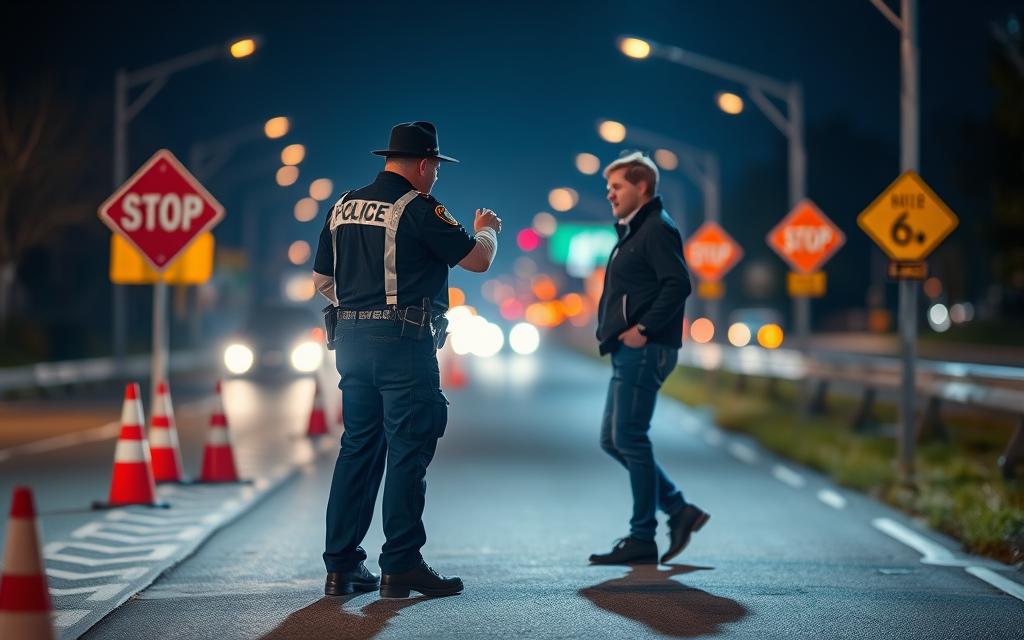
Field sobriety tests help police figure out if someone is drunk. These tests check how well a driver can walk, stand, and look. They are simple tests that police use on the side of the road.
- Walk-and-turn test
- One-leg stand examination
- Horizontal gaze nystagmus test
Blood Tests: Precise Legal Evidence
Blood tests are more accurate for checking alcohol levels. If someone refuses a breath test, blood tests can prove their alcohol level. Doctors do these tests carefully, making them strong evidence in court.
Emerging DUI Detection Technologies
New tech is changing how police find drunk drivers. Some new tools include:
- Advanced portable breath scanners
- Wearable alcohol monitoring devices
- Smartphone breathalyzer applications
Even with these new tools, refusing a test can lead to big legal problems. Each method has its own legal effects. These can affect how a driver defends themselves in court.
Choosing Legal Representation
Navigating DUI charges can be complex and overwhelming. It’s important to get experienced legal help. This helps protect your rights and plan a strong defense.
Choosing the right attorney for DUI charges is key. They can challenge evidence and find ways to lessen penalties or even dismiss the case.
Importance of Hiring a DUI Attorney
- Expertise in criminal defense specific to DUI charges
- Understanding of complex legal procedures
- Ability to challenge breathalyzer test results
- Potential to negotiate reduced penalties
Questions to Ask Your Attorney
- How many DUI cases have you successfully defended?
- What is your experience with local court systems?
- What strategies do you see for my case?
- What outcomes might I expect?
Preparing for Your Legal Consultation
Getting ready for your meeting with a DUI attorney is important. Collect all important documents like police reports and breathalyzer results. Also, be ready to tell your side of the story in detail.
| Consultation Preparation Checklist | Important Documents |
|---|---|
| Police Report | Breathalyzer Test Results |
| Court Summons | Arrest Records |
| Witness Statements | Personal Notes about Incident |
About 70% of states have laws that mean you must consent to a breath test. Choosing the right attorney can greatly affect your DUI case outcome.
Understanding DUI Charges and Imprisonment
Drunk driving is very serious and can change your life a lot. It’s not just a simple traffic ticket. It can affect your job and personal life a lot.
When you get drunk driving charges, you need to know what might happen. A DUI conviction can lead to big penalties. These penalties depend on many important things.
Consequences of a DUI Conviction
- First-time offenders may face license suspension
- Potential jail time ranging from 48 hours to 6 months
- Fines between $500 and $1,000
- Mandatory alcohol education programs
Severity of Penalties Based on Refusal
| Offense | License Suspension | Potential Jail Time |
|---|---|---|
| First Refusal | 1 year | 48 hours |
| Second Refusal | 2 years | 96 hours |
| Third Refusal | 3 years | 10 days |
Rehabilitation Program Options
Courts often suggest or require rehab programs for DUI. These programs help with substance abuse and teach about drunk driving dangers.
Rehab options include:
- Alcohol treatment counseling
- Substance abuse education classes
- Residential treatment programs
- Outpatient recovery support
Knowing about DUI penalties and risks is key. Getting legal help is important. It can help lessen the bad effects of drunk driving charges.
Public Perception of Breathalyzer Refusal
The view on breathalyzer test refusal is complex. People often wonder about their legal rights in DUI test refusal cases. Views on breathalyzer tests vary widely.
Statistics on Refusal Rates
Recent data shows interesting trends in breathalyzer test refusal:
- About 20-30% of drivers refuse breathalyzer tests
- Refusal rates change a lot by state
- Young drivers are more likely to refuse chemical tests
Common Misconceptions About Refusal
Many people get the wrong idea about refusing a breathalyzer test. Key misconceptions include:
- Thinking refusal means no DUI conviction
- Believing refusal has no legal effects
- Assuming refusal keeps evidence out
Impact of Social Media on Perception
Social media has changed how we talk about DUI test refusal. Online, wrong info spreads fast about legal rights and outcomes.
| Perception Factor | Impact Level |
|---|---|
| Legal Consequences | High |
| Social Stigma | Medium |
| Personal Risk | Very High |
It’s key to know the legal side of refusing a breathalyzer test. While people might think refusal protects them, it can lead to harsher penalties and legal issues.
Preventive Measures and Best Practices
Driving under the influence is serious. It’s important to know your rights and make smart choices. This can help you avoid trouble.
Tips for Avoiding DUI Situations
Staying safe from DUI starts with planning. Here are some tips:
- Always choose a sober driver before you go out
- Use ride-sharing or public transport
- Keep an eye on how much alcohol you drink
- Plan your ride home ahead of time
Understanding Your Rights When Stopped
If you’re stopped, knowing your rights is key. About 60% of people who ask for a lawyer do better in court.
Knowing When to Assert Your Rights
Here’s what to do if stopped by police:
- Stay calm and be polite
- You have the right to stay silent
- Ask for a lawyer if questioned
- Don’t give out more info than needed
Important: Up to 50% of people stopped for DWI don’t know their rights. Learning about your rights can protect you.
Knowing the risks of DUI is vital. With implied consent laws in nearly 90% of states, being informed is key. It helps you make safer choices and avoid legal trouble.
The Future of Breathalyzer Technology
Technology is changing how police test for alcohol. New tools are making breathalyzers better. They promise to find out if drivers are drunk more accurately.
New breathalyzer tech is making old ways better. Scientists are working on cool stuff:
- Portable smartphone-connected breathalyzers
- Advanced transdermal alcohol monitoring systems
- Non-invasive breath analysis technologies
- AI-enhanced impairment detection algorithms
Innovations in Breath Testing
New tech is making breathalyzers more precise. Wearable devices can watch alcohol levels all the time. They give data right away for police and people.
These new tools want to cut down on wrong readings. They aim to make finding out if someone is drunk more accurate.
Potential Changes in Law Enforcement Protocols
Police might use smart tech soon. This could include:
- Instant digital reporting
- Cloud-connected evidence tracking
- Machine learning-based impairment assessment
Legal Implications of New Technologies
As breathalyzer tech gets better, laws will need to change. Courts and lawmakers will have to think about:
privacy, how accurate these tests are, and if they can be used in court.
Resources for More Information
Finding reliable resources for DUI defense is key. Knowing where to get legal help and educational materials is important. It helps when facing legal challenges with breathalyzer tests and DUI accusations.
Government Resources and Information
The government has important resources for DUI advice. Key places include:
- National Highway Traffic Safety Administration (NHTSA) website
- State Department of Motor Vehicles (DMV) online portals
- Local court websites with DUI legal information
Legal Aid and Support Organizations
Many groups offer legal help for DUI charges:
| Organization | Focus Area | Services Provided |
|---|---|---|
| American Bar Association | Legal Referrals | Attorney matching and legal guidance |
| Mothers Against Drunk Driving (MADD) | Support and Education | Legal resources and victim support |
| National College for DUI Defense | Professional Legal Training | Legal strategy and defense techniques |
Educational Resources for Drivers
Drivers can learn a lot to avoid DUI issues:
- Online DUI prevention courses
- State-sponsored alcohol awareness programs
- Free legal webinars and workshops
Using these resources can give you the legal advice you need. It helps in tough DUI defense situations.
Conclusion: Making Informed Decisions
Understanding breathalyzer tests is hard. Drivers must think about legal risks and personal effects. In Maryland, refusing a test can lead to a 270-day license suspension for the first time. This can go up to two years for later offenses.
Refusing a breathalyzer has big legal consequences. It can hurt your job and personal life. About 87% of drivers take the test, knowing refusal can lead to bigger legal problems.
Weighing the Risks of Refusal
Knowing your rights is key when facing breathalyzer tests. Refusing can cause license suspensions, fines, and jail. You might also need an ignition interlock device. You have 10 days to ask for a hearing to fight these actions.
Final Thoughts on Breathalyzer Tests and Rights
The best way is to avoid DUI situations. Knowing your rights is important, but safety comes first. If you’re in trouble, get legal advice. Remember, refusing a breathalyzer might not be worth it.