
 Posted by
 Did you know nearly 30% of traffic deaths in New York are from impaired driving? Knowing about DWAI-Combination Penalties is key for those facing impaired driving charges.
NY DWAI Charges are a big deal and can change your life. DWAI-Combination Penalties are different from regular drunk driving charges. They cover many situations where a driver can’t drive well.
Driving While Ability Impaired (DWAI) isn’t just about drinking. These penalties can also include other substances like medicines, illegal drugs, and alcohol. This makes the legal situation very complex.
The consequences are serious. A DWAI-Combination Penalty can hurt your driving rights, personal record, and job chances.
Key Takeaways
- DWAI charges extend beyond alcohol impairment
- Penalties can involve multiple substances
- Legal consequences are complex and far-reaching
- Understanding your rights is critical
- Professional legal guidance is essential
What Are DWAI-Combination Penalties?
Driving While Ability Impaired (DWAI) is a big problem for drivers. It happens when someone drives after using substances. Things get even harder when more than one substance is used.
DWAI-Alcohol and Drugs charges happen when a driver can’t drive well because of substances. This is different from just drunk driving. It shows the danger of mixing different substances.
Understanding DWAI Definitions
Police check if a driver can drive safely. They look at:
- Physical coordination
- Mental alertness
- Ability to operate a vehicle safely
- Presence of multiple intoxicating substances
Combination Penalty Overview
Penalties for DWAI Multiple Substances are harsher. Drivers might get:
- Big fines
- Jail time
- Substance education programs
- License taken away
Knowing these penalties is important. It shows how serious it is to drive with multiple substances.
Legal Implications of DWAI-Combination Penalties
Understanding DWAI-Combination penalties is hard. It’s key for those facing these charges. Knowing the outcomes is vital.
A DWAI charge has big effects. It can change your life in many ways. It can make things hard in your personal and work life.
Criminal Charges and Consequences
DWAI court process NY has many important legal points:
- Potential misdemeanor or felony classifications
- Mandatory court appearances
- Possible jail time
- Substantial financial penalties
Potential Civil Liabilities
There are also big civil issues:
| Type of Liability | Potential Impact |
|---|---|
| Professional Licensing | Risk of suspension or revocation |
| Employment Opportunities | Reduced job prospects |
| Insurance Rates | Significant premium increases |
| Personal Reputation | Long-term social and professional stigma |
A DWAI criminal record can create big problems in the future. It’s important to fight for your rights.
Understanding the DWAI Law in Your State
Learning about NY DWAI Laws is complex. Each state has its own rules about driving while impaired. New York has its own special rules that make it different from others.
New York’s DWAI sentencing is detailed. It looks at how much a driver is impaired. This makes New York’s laws more complex than others.
State-Specific Regulations in New York
Here are some important things about NY DWAI Laws:
- New York’s rules for being impaired are stricter than many other states.
- There are specific BAC levels that lead to different legal actions.
- The penalties get tougher as the impairment gets worse.
How Laws Vary Across Different States
DWAI Sentencing NY shows big differences in laws:
- In New York, a BAC between 0.05 and 0.07 can lead to a DWAI charge.
- Other states might have higher or lower BAC limits.
- Penalties can change a lot based on local laws.
It’s very important to know these differences. Drivers need to understand their legal risks and make smart choices.
Factors Influencing DWAI Penalties
It’s important to know what affects DWAI penalties. The outcome can change a lot based on different factors. Courts look at these carefully when deciding on sentences.
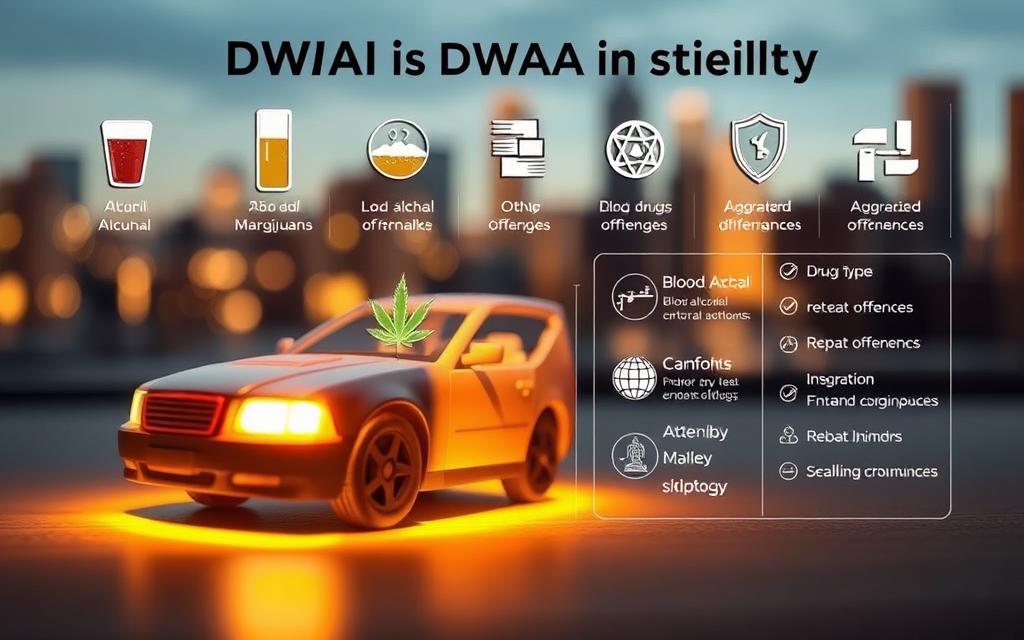
When looking at DWAI substance impact, many things matter. The legal system checks these to decide on penalties:
- Blood Alcohol Concentration (BAC) levels
- Prior driving offense history
- Specific circumstances of the arrest
- Potential property or personal damage
Blood Alcohol Concentration (BAC) Levels
BAC levels are key in DWAI penalties. The legal limit is 0.08%, but drivers can get charged at lower levels. Legal strategies often try to question BAC tests and how they were done.
Prior Offenses Impact
Having repeat offenses makes penalties worse. First-time DWAI charges have lighter penalties. But, if you get charged again, the penalties get harsher.
- Increased fines
- Longer license suspensions
- Mandatory rehabilitation programs
- Potential imprisonment
Each time you get charged again, the penalties get even tougher.
The Role of Attorneys in DWAI Cases
Going through a DWAI case in New York is tough. DWAI Legal Help NY experts know how to handle these cases. They help people who might face big penalties.
Attorneys are key in DWAI cases. They do more than just give advice. They work with you to lessen penalties and protect your future.
Importance of Legal Representation
Having a lawyer in DWAI cases can change things. Good lawyers offer many benefits:
- They check your case carefully.
- They plan a strong defense.
- They talk to prosecutors for you.
- They make sure your rights are protected.
How to Choose the Right Attorney
Finding the right DWAI Legal Help NY is important. Look for lawyers who know New York traffic and criminal law well.
| Attorney Qualification | Importance Level |
|---|---|
| DWAI Case Experience | High |
| New York State Bar Certification | Critical |
| Track Record of Successful Negotiations | Very High |
| Client Communication Skills | Essential |
A good lawyer can lower charges, get better deals, or question evidence. Their help is very important in DWAI cases.
Typical Penalties for DWAI Offenses
Driving While Ability Impaired (DWAI) in New York has big legal consequences. It can change your life a lot. Knowing the penalties shows how serious it is.
People facing DWAI charges get hit hard financially and legally. The fines for DWAI in New York depend on the situation and past offenses.
Financial Consequences of DWAI
DWAI fines in New York can be very expensive. Drivers face many financial penalties:
- First-time offense fines: $300-$500
- Court surcharges: Additional $250-$400
- Mandatory state fees: $90-$175
License Suspension Details
DWAI License Suspension is another big penalty. New York has strict rules for driving:
| Offense Type | License Suspension Duration |
|---|---|
| First Offense | 90 days |
| Second Offense | 6 months |
| Third Offense | 1 year |
To get your license back, you must finish alcohol education. You also have to pay a lot of fees. You must follow all court rules before you can drive again.
The Process of a DWAI Conviction
Getting arrested for DWAI in NY is complex and stressful. Knowing the court process helps you prepare and protect your rights.
When you get arrested for DWAI in NY, you start a legal journey. The early stages are key and can change your case’s outcome.
Arrest Protocols
Police follow rules during a DWAI arrest:
- They do field sobriety tests
- Use breathalyzers or chemical tests
- Write down why they arrested you
- Tell you your rights
Court Proceedings
The court process for DWAI in NY has several steps:
- Arraignment: First court time where charges are read
- You enter a plea (guilty, not guilty, or no contest)
- There might be pre-trial motions
- Then, a trial or plea deal
- And sentencing if you’re found guilty
Every step in the DWAI arrest process needs a good legal plan. Talking to a skilled lawyer can help you know your rights and options.
Plea Bargaining in DWAI Cases
Navigating DWAI Sentencing NY can be complex. Plea bargaining is a key strategy for those facing NY DWAI charges. It offers alternatives to going to trial.

Plea bargaining lets defendants talk about reduced charges or better sentences. It’s important to understand the details of plea deals. You need good legal advice and a solid plan.
Is Plea Bargaining Possible?
Not every DWAI case can use plea bargaining. What makes it possible includes:
- First-time offense status
- Blood alcohol concentration levels
- Specific circumstances of the arrest
- Prosecutorial discretion
Evaluating Plea Deal Advantages
Plea bargaining in NY DWAI Charges has benefits:
- Reduced criminal penalties
- Minimized license suspension periods
- Lower financial penalties
- Avoiding lengthy court proceedings
Legal experts say to think carefully before accepting a plea. Know the possible long-term effects of your choice.
Fighting DWAI-Combination Penalties
Getting help for DWAI in New York needs smart planning. You must know the laws well. When you face penalties for DWAI, you can use different ways to fight your case.
Good defense against DWAI charges means looking closely at how you were arrested. Lawyers can find weak spots in the case against you.
Possible Defense Strategies
- Challenge field sobriety test administration procedures
- Question breathalyzer equipment calibration
- Examine officer’s probable cause for initial traffic stop
- Review medical conditions affecting test results
- Investigate possible equipment malfunctions
Gathering Critical Evidence
Winning your case needs careful gathering of evidence. Important documents can change how your case goes.
| Evidence Type | Potential Impact |
|---|---|
| Dashcam Footage | Verifies Traffic Stop Circumstances |
| Medical Records | Explains Possible Test Errors |
| Witness Statements | Supports Your Story |
| Breathalyzer Maintenance Logs | Questions Equipment Trustworthiness |
Talking to DWAI experts in New York can help a lot. Knowing the laws helps you build a strong defense.
Consequences of a DWAI Conviction
A DWAI conviction has big effects that last a long time. It can change your life in many ways. It can make things hard for you at work and at home.
The effects of a DWAI conviction are deep. They can make life hard in many areas. It’s important to know these effects to understand the full impact.
Immediate Personal Effects
- Potential immediate job suspension or termination
- Mandatory court-mandated counseling
- Temporary loss of driving privileges
- Significant financial strain from legal expenses
Long-Term Professional Implications
Having a DWAI record can hurt your career. Some jobs need background checks. A DWAI record can make it hard to find a job.
- Reduced hiring prospects in sensitive sectors
- Professional license restrictions
- Potential disqualification from government positions
- Challenges in obtaining professional certifications
Insurance and Financial Consequences
A DWAI conviction can cost a lot of money. Insurance companies see you as a higher risk. This means your rates will go up a lot.
A DWAI record can lead to:
Increased auto insurance rates by up to 300%
Potential difficulty obtaining life or professional liability insurance
Dealing with a DWAI conviction needs careful planning. You need legal help and a plan to lessen its effects.
Programs for Offenders
After a DWAI-Combination offense, it’s important to know about rehab and support programs. These help people get better and avoid future problems. They are key in dealing with DWAI Substance Impact and managing DWAI Probation Penalties.
People with DWAI charges must go through mandatory programs. These programs help them recover and lower the risk of future issues. Licensing boards might ask for a temporary give-up of professional licenses. This creates a clear path to getting better.
Mandatory Alcohol Education Classes
Alcohol education classes are very important for DWAI offenders. They cover:
- How alcohol affects decision-making
- Recognizing personal drinking habits
- Ways to avoid future problems
- Legal issues of driving under the influence
Rehab and Treatment Options
Treatment programs give full support to those facing substance challenges. The type of program depends on the person’s needs and what the court says.
| Program Type | Duration | Key Focus |
|---|---|---|
| Outpatient Counseling | 3-6 months | Individual therapy, group support |
| Intensive Outpatient Program | 8-12 weeks | Structured treatment, skill development |
| Residential Treatment | 30-90 days | Comprehensive recovery, supervised environment |
Getting help from professionals and staying committed are essential. They help you finish these programs and lessen DWAI Probation Penalties.
The Importance of Sobriety Checkpoints
Sobriety checkpoints are key in keeping New York State roads safe. They help catch drivers who are too drunk to drive. This keeps everyone on the road safer.
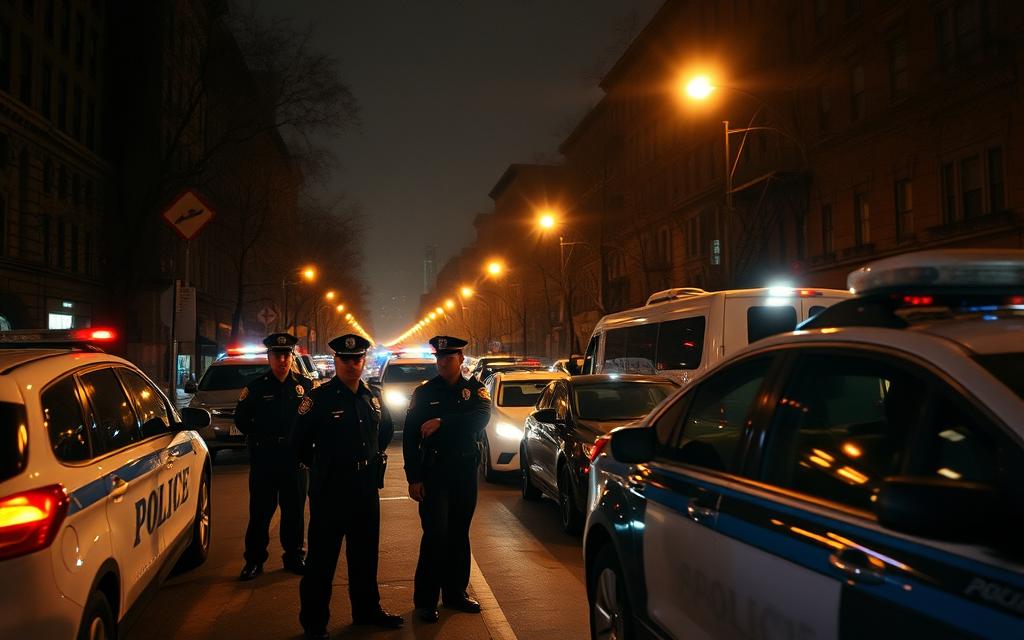
Police set up these checkpoints to stop drunk driving. They want to catch drivers who are too drunk. They also want to scare others from driving drunk.
How Sobriety Checkpoints Operate
Here’s how a sobriety checkpoint works:
- Police stop cars at certain spots.
- They talk to drivers to see if they’re drunk.
- If they think someone is drunk, they do tests.
- They write down what they see and hear.
Legal Justifications for Checkpoints
Checkpoints are legal because they keep people safe. Courts say they’re okay because they protect everyone. They also don’t bother people too much.
| Legal Basis | Justification |
|---|---|
| Public Safety | Preventing alcohol-related accidents |
| Constitutional Screening | Minimal intrusion with clear public benefit |
| Deterrence | Reducing possible drunk driving cases |
Even though some people don’t like them, checkpoints are important. They help keep New York safe from drunk drivers.
Public Perception of DWAI Offenses
Driving While Ability Impaired (DWAI) offenses have big social effects. They go beyond just legal trouble. The way people see NY DWAI charges has changed a lot in recent years.
This change shows a bigger shift in how we view driving while drunk.
People with DWAI criminal records face a lot of stigma. They might see their job and personal life suffer. They might also feel left out and face job bias.
Evolving Social Attitudes
How we see drunk driving has changed a lot. What used to be seen as no big deal is now seen as very serious. Research shows that knowing the dangers has made us all safer.
Generational Perspectives
Each age group sees DWAI offenses in their own way. Young people are more strict, seeing it as a big mistake. This shows we’re all getting safer and more aware.
So, how we see DWAI is always changing. This shows how important it is to be responsible and keep our communities safe.
Resources Available for Those Facing DWAI Charges
Dealing with a DWAI charge can feel really tough. But, there are many places that can help. They offer both emotional and legal support. This is very important for those facing NY DWAI Laws.
Support groups are key in helping people deal with the emotional side of DWAI charges. Places like Mothers Against Drunk Driving (MADD) offer counseling and support. They help a lot. Legal aid services, like the New York State Bar Association, also help those who can’t afford a lawyer. They make sure everyone gets the help they need with the financial side of DWAI charges.
Getting help for substance abuse issues is also very important. Many places offer support programs that are private. These programs help with both legal and personal issues. They help people grow, defend themselves legally, and get better in the long run.
Support Groups and Counseling
Local centers and online groups offer special help for DWAI cases in New York. They are safe places to share and learn. Counselors who know about addiction and law can give one-on-one help.
Legal Aid Services
In New York, there are many places that offer free or low-cost legal help for DWAI charges. Places like pro bono clinics, public defenders, and non-profit legal services can explain your rights. They help you make a strong defense under NY DWAI Laws.