
 Posted by
 Research shows up to 25% of DUI checks might have mistakes. This is because officers can make errors. Knowing this can really change how DUI cases go.
Officer’s Assessment Impairment is a big problem in DUI cases. Police officers do tests to see if drivers are drunk. But, they face many challenges that can make their job hard.
DUI Field Observations need to be very accurate. But, many things can affect how officers see things. Stress, the weather, and how they think can all play a part.
Key Takeaways
- Officer assessment accuracy is not infallible
- External factors can impact field sobriety evaluations
- Understanding possible impairment helps legal defense strategies
- Field observations need careful professional review
- Legal issues can come from bad evaluations
Understanding Officer’s Assessment Impairment
Law enforcement officers have tough jobs during DUI checks. Their accuracy can change the outcome of cases. DUI investigations look at many things that might make an officer’s judgment wrong.
Officers deal with tricky situations. Small details can change their decisions a lot. DUI arrests need more than just looking. They need special skills to see and think clearly.
Defining Officer’s Assessment Impairment
Officer’s assessment impairment happens when things outside or inside them mess up their judgment. This can include:
- Extreme weather conditions
- Personal fatigue or stress
- Limited visibility
- Complex roadside environments
Critical Importance in Legal Proceedings
Knowing about these challenges is key in DUI cases. Impairment clues DUI checks need careful notes and strict rules to keep things fair.
A study in 1998 from San Diego showed big differences in how officers do Standardized Field Sobriety Tests. This shows how easy it is to make mistakes.
Lawyers and people accused of DUI need to know. An officer’s view can be changed by many things. This can make the evidence from a DUI arrest not reliable.
Key Factors Influencing Officer Assessments
When officers test for DUI, many things can affect how accurate they are. Police face big challenges when they check drivers on the road. These challenges can change how they see and judge things.
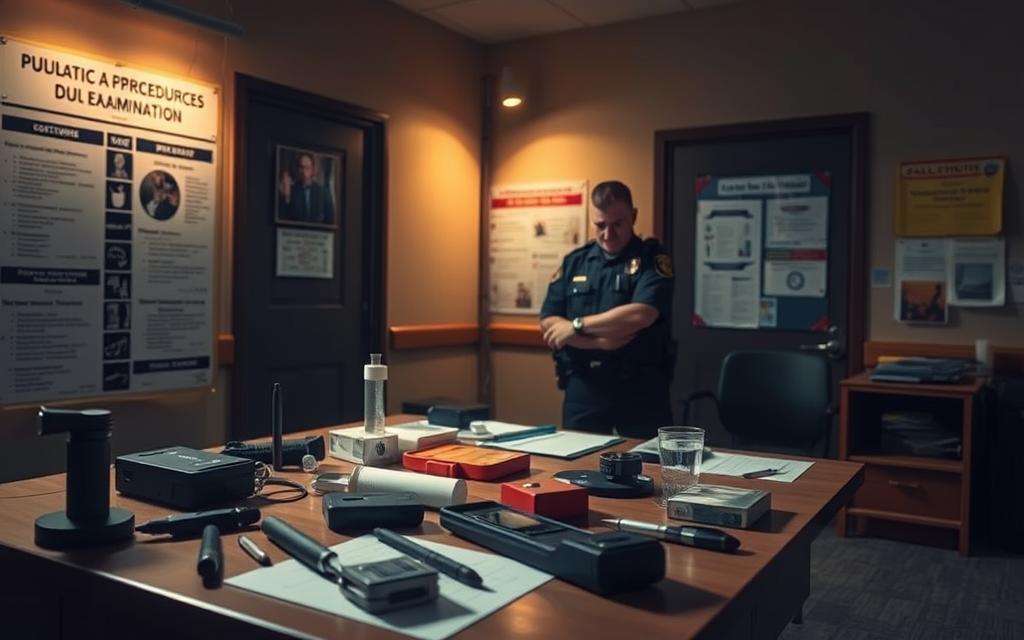
How well an officer does depends on a few key things. These things can change how a DUI case turns out.
Training and Professional Experience
Training is very important for officers testing for DUI. Officers get better with time and practice. They learn through:
- Extensive field training programs
- Regular skill refresher courses
- Practical experience handling impairment cases
- Advanced certification in standardized field sobriety testing
External Stressors Affecting Assessment
Many outside factors can mess up DUI tests. These include:
- Time limits during stops
- Concerns for safety
- Stressful roadside settings
- Feeling tired from doing many tests
Environmental Conditions Impact
Unpredictable environmental factors can really make it hard for officers to test for DUI correctly. Important things to consider are:
- Poor lighting
- Uneven roads
- Extreme weather
- Too much noise from traffic
- Emergency lights flashing
Knowing about these factors helps both police and people understand what can affect DUI tests.
Common Impairment Indicators
Police officers look for certain signs to see if a driver is impaired. These signs help drivers know when they might be at risk. It also helps them understand the legal issues they could face.
Police use detailed observations to check if someone might be drunk. They look at how the driver acts and their physical state. This is to keep everyone safe on the roads.
Behavioral Warning Signs
Officers watch for signs that a driver might be impaired:
- Slurred or incoherent speech patterns
- Aggressive or unusually passive communication
- Inability to follow simple instructions
- Extreme emotional fluctuations
- Confused or disoriented responses
Physical Impairment Indicators
Physical signs are also important for police:
- Bloodshot or watery eyes
- Noticeable alcohol odor
- Unsteady balance or coordination
- Sweating or pale complexion
- Dilated pupils
Field sobriety tests help officers check these signs. They gather evidence for legal cases.
The Impact of Impairment on Evidence
Law enforcement DUI decisions rely on how well officers see things during a stop. If an officer can’t see well, the evidence might not be good.
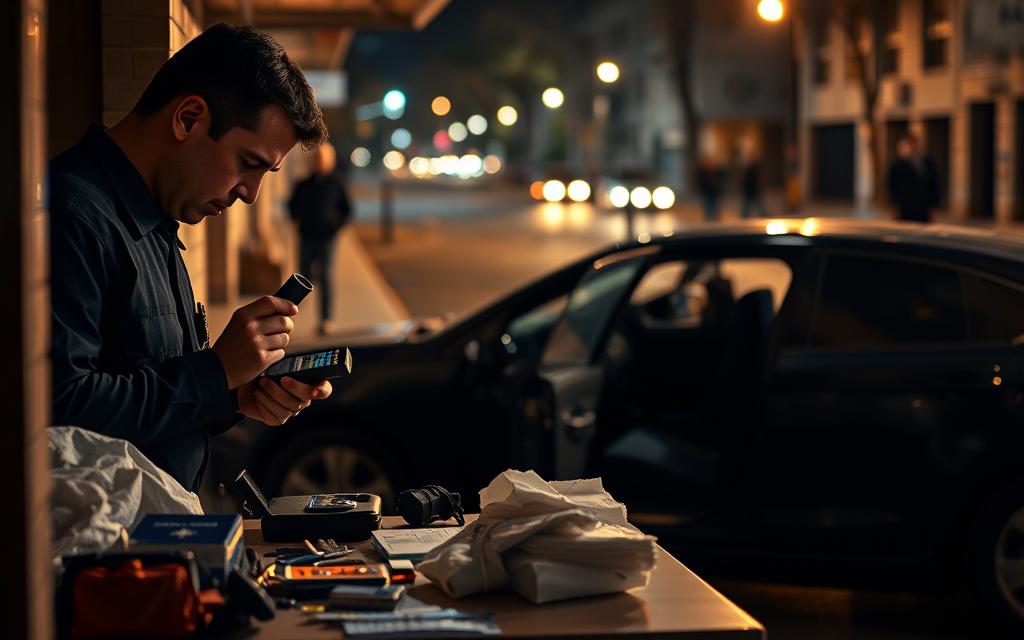
The quality of DUI evidence depends on the officer’s skill. But, there are challenges that can hurt the case:
- Subjective interpretation of field sobriety tests
- Personal bias influencing observational skills
- Physical or mental fatigue affecting judgment
- Misreading subtle behavioral cues
How Impairment Affects Observations
Officers need to be very precise when they collect evidence. Small mistakes in seeing things can lead to big legal problems. Things like long hours, stress, or distractions can make it hard for officers to do their job right.
Jury Perception of Officer Credibility
Juries trust what law enforcement says and shows. If an officer seems off, it can hurt how believable they seem. Lawyers often look at how the officer was feeling and doing during the arrest.
It’s very important to document everything clearly and honestly. Police departments are now focusing more on training and checking how officers are doing. This helps keep the evidence strong and fair.
Legal Implications of Officer’s Impairment
When Police DUI Stop Actions go wrong, the legal landscape changes a lot. The evidence collected during a DUI Arrest Procedure is very important. It helps decide the case’s outcome.
Courts look closely at how law enforcement officers do DUI investigations. If an officer is not sharp, it’s hard for the prosecution.
Admissibility of Evidence Challenges
Evidence from a DUI stop can be questioned for several reasons:
- How the officer sees field sobriety tests
- Any bias or wrong views during the arrest
- If the incident was not well documented
- If police reports don’t match up
Potential for Case Dismissal
Big mistakes in Police DUI Stop Actions can lead to a case being thrown out. Critical evaluation of the DUI Arrest Procedure shows big problems with the prosecution’s evidence.
Scenarios that might cause a case to be dismissed include:
- Tests not done right
- Breaking constitutional rights during the stop
- Not enough reason to stop someone
- Officer not doing their job well or acting wrong
Legal experts must check every part of the arrest. They look for any chance to question the evidence.
Steps to Challenge Officer’s Assessment
Challenging a DUI judgment needs a smart plan. You can fight DUI charges by finding new evidence and getting legal advice.
When facing DUI bodycam evidence, it’s key to document everything well. The first look by the officer might not show the whole story of the stop or if someone was impaired.
Gathering Alternative Evidence
Good DUI defense means finding strong evidence to question the officer’s first thoughts:
- Surveillance footage from nearby businesses
- Witnesses who say something different from the officer
- Medical records that explain physical issues
- Dashcam videos from the police car
Consulting with Legal Experts
Talking to a DUI lawyer can really help your case. DUI defense lawyers know how to look closely at the officer’s judgment and find mistakes.
They can help you:
- Look at bodycam evidence carefully
- Question how field sobriety tests were done
- Check if chemical tests were done right
- Build a strong defense plan
Remember, every piece of evidence can help weaken the prosecution’s case and protect your rights.
Importance of Expert Testimony
Expert testimony is key in DUI cases. It helps with Sobriety Clues and the DUI Arrest Procedure. Forensic specialists add scientific insight that changes legal outcomes. They offer deep understanding beyond what police see.
Assessing impairment is complex. It needs special knowledge. Experts analyze field sobriety tests. They help judges and juries see important details they might miss.
Role of Forensic Specialists
Forensic specialists are vital in DUI cases. They do several important things:
- They check if field sobriety tests are valid.
- They understand complex signs of impairment.
- They talk about the limits of how officers assess things.
How Experts Can Affect Outcomes
Expert testimony can change case results in big ways. It does this by:
- Questioning what officers think they see.
- Adding science to signs of impairment.
- Offering new ways to look at evidence.
| Expert Testimony Impact | Potential Case Outcome |
|---|---|
| Comprehensive Test Analysis | Reduced Charges |
| Methodological Critique | Case Dismissal |
| Scientific Explanation | Jury Reasonable Doubt |
Forensic experts make complex science easy to understand in court. This makes the legal process fairer and more accurate for those facing DUI charges.
Case Studies of Officer’s Assessment Impairment
DUI field observations show how officer assessments affect legal results. They show the complex nature of police and court actions.
Legal experts now see how personal differences matter in DUI cases. The courtroom is where we look closely at officer assessments.
Recent Case Examination
Some big cases show the challenges in DUI field observations:
- A 2021 California case showed big differences in what officers see.
- Florida lawsuits found possible bias in field sobriety tests.
- Texas courts found uneven training in DUI arrests.
Critical Lessons from Legal Precedents
Important lessons come from these cases:
- How well officers are trained affects their accuracy.
- Physical conditions can change how well someone does on tests.
- What’s around can also affect what officers see.
| Case Location | Key Challenge | Outcome |
|---|---|---|
| California | Subjective Field Assessment | Partial Case Dismissal |
| Florida | Test Administration Bias | Evidence Suppression |
| Texas | Training Inconsistencies | Reduced Charges |
Understanding these complex legal situations helps us deal with DUI issues.
Resources for Defending Against DUI Charges
Dealing with a DUI charge can feel really tough. But, there are many resources to help. Knowing about DUI Police Evaluation and DUI Suspicion Indicators is key to a strong defense.
People facing DUI charges can find many places for help. These places offer important advice and support during their legal fight.
Legal Aid Organizations
There are many groups that help with DUI defense:
- National College for DUI Defense
- American Bar Association Criminal Justice Section
- State-specific legal aid clinics
Educational Materials for DUI Defense
Learning a lot about DUI defense is very helpful. Here are some educational resources to check out:
- Recommended Books
- “Understanding DUI Laws” by Legal Experts
- “Your Rights in DUI Proceedings”
- Online Learning Platforms
- Coursera DUI Legal Modules
- Legal Education Webinars
| Resource Type | Focus Area | Accessibility |
|---|---|---|
| Legal Aid Organizations | Direct Legal Support | Free Consultations |
| Online Courses | Legal Education | Self-Paced Learning |
| Support Groups | Emotional Support | Community Resources |
Getting help from experts can really change the outcome of DUI charges. Working with lawyers who know about DUI Police Evaluation can give you big advantages in your defense.
Conclusion: Protecting Your Rights in DUI Cases
Understanding DUI laws is very important. If you might face DUI charges, knowing your rights is key. It’s also important to know how police check for DUI.
Getting help from a DUI lawyer is a good idea. Knowing your rights can help a lot. Always think carefully when talking to police.
DUI laws and checks are always changing. It’s important to keep learning and paying attention to your rights. Always get help from a lawyer if you think you might face DUI charges.
Legal Empowerment Strategies
Knowing the law is the first step. Learn about local DUI laws and how police check for DUI. Keeping a record of your interactions with police is also helpful.
But the best way to protect yourself is to get help from a DUI lawyer. They can guide you through the legal process.