
 Posted by
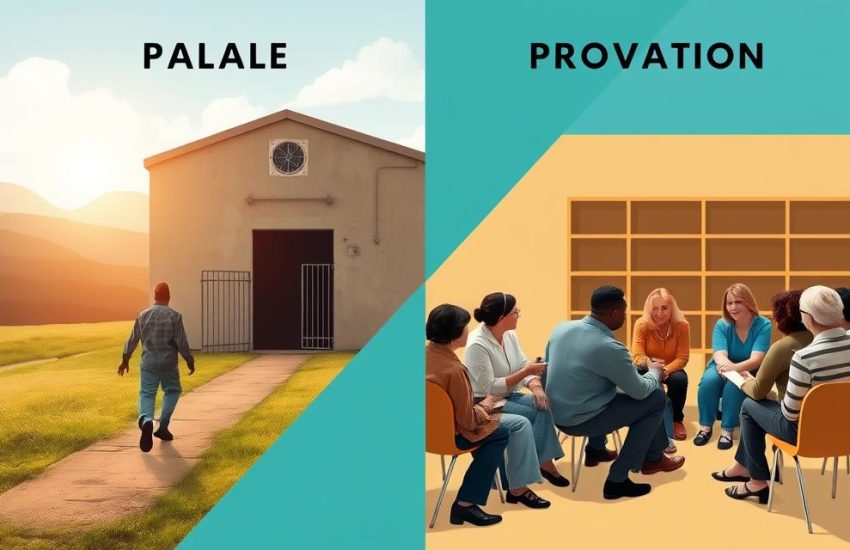
 Learn what is the difference between parole and probation, their key legal implications, and how these supervised release programs impact offenders in the criminal justice system.
What Is the Difference Between Parole and Probation?
Ever wondered about parole and probation in the criminal justice system? These terms might seem alike, but they’re really different. They help manage offenders and support their rehabilitation in different ways.
Parole and probation are key parts of the legal system. They balance punishment, help offenders, and keep society safe. Even though they’re alternatives to jail, they work in different ways.
Knowing the difference between parole and probation is important. It shows how the justice system handles offenders and helps them fit back into society. Each path has its own rules, supervision, and possible outcomes for those in the legal system.
Key Takeaways
- Parole and probation are distinct legal terms with unique characteristics
- Probation typically prevents initial incarceration, while parole occurs after serving part of a sentence
- Each method has specific eligibility criteria and supervision requirements
- Violations can result in different legal consequences
- Both aim to support offender rehabilitation and public safety
A parole attorney in Atlanta helps individuals navigate parole hearings and understand their legal rights. They review case details and prepare strong arguments for the parole board. Experienced guidance can improve the chances of a successful parole outcome.
Understanding Criminal Justice Terms
The world of legal supervision can be hard to understand. Terms like parole and probation are often confusing. Let’s make these terms clear so you know how people are watched after legal issues.
Definition of Parole
Parole lets prisoners leave jail early, but they must follow rules. A parole board checks if they’re ready to go back to society. Important things about parole are:
- Given after serving part of a sentence
- Needs constant watch by parole officers
- Has strict rules to follow
- Not for serious crime offenders
Definition of Probation
Probation is a choice instead of jail. It lets people stay in their homes under watch. It’s different from parole because it’s part of the original sentence. Key points about probation are:
- Given at the time of sentencing
- Helps avoid full jail time
- Requires following certain rules
- Needs regular meetings with probation officers
Both parole and probation help people get back into society. They offer support and keep everyone safe.
A skilled parole lawyer in Atlanta, Georgia can help inmates fight for early release. They understand state parole laws deeply. Hiring one boosts your chances of a successful parole hearing.
The Purpose of Parole and Probation
Criminal sentencing is complex. It aims to help people change and keep society safe. Parole and probation are key tools for this.
These methods help people return to society. They make sure everyone stays accountable.
Goals of Parole
Parole helps those who’ve served part of their sentence. Its main goals are:
- Helping them slowly get back into the community
- Reducing the number of people in prison
- Offering support for their transition
- Watching for any dangers to the public
Goals of Probation
Probation is an option instead of jail. It focuses on helping people change. Its main goals are:
- Letting them keep jobs and family ties
- Starting court-ordered programs for change
- Keeping the community safe
- Helping them grow and change their ways
Parole and probation both aim to lower future crime. They help people make good changes in their lives.
How Parole is Granted
The parole process is key in the criminal justice system. It gives inmates a chance to live outside prison under watch. Knowing about parole eligibility and the parole board’s role helps us understand this complex system.
Eligibility Criteria for Parole
To be eligible for parole, inmates must meet certain criteria. They need to show they’ve made big progress and are not a danger to society.
- Complete a set amount of their sentence
- Act well while in prison
- Take part in rehab programs
- Have little to no past crimes
The Parole Board’s Detailed Review
The parole board does a deep dive to see if someone is ready to be free. They look at many things:
- Check the crime they were locked up for
- Look at how they acted in prison
- Study their mental health
- Consider what the victim says
A parole hearing is a big chance for inmates to show they’ve changed. The board looks at each case closely. They balance keeping people safe with giving a second chance.
Those who might get parole usually:
- Really say sorry for what they did
- Show they’ve grown as a person
- Have a plan for a job and living in the community
- Have people outside prison who support them
Getting parole is not a sure thing. But it’s a way for people to show they can be good citizens.
How Probation is Granted
Probation is a big deal in the criminal justice world. It lets people who did not do very bad things stay out of jail. They have to follow strict rules and get help to change their ways.
Eligibility for Probation
To get probation, many things are looked at. Courts check:
- The severity of the crime
- The person’s past crimes
- What happened in the case
- If the person can change
In Washington State, about 40-50% of people get probation. First-timers and those with smaller crimes are more likely to get it.
The Judge’s Discretion
Judges have a big say in who gets probation. They look at the person’s past and if they can fit back into society.
Probation might mean:
- Meeting with a probation officer
- Doing community service
- Going to counseling
- Being tested for drugs and alcohol
About 60-70% of people on probation do community service. This shows probation is about helping people change.
Key Distinctions Between Parole and Probation
It’s important to know the differences between parole and probation. They are both ways to supervise people in the criminal justice system. But they work in different ways.
The criminal justice system has two main ways to supervise people. They might seem alike but are very different:
- When legal help starts
- The rules they must follow
- What happens if they break the rules
Timing of Supervision
Probation is given during sentencing as a choice instead of jail. Judges use it for smaller crimes. This lets people stay in their homes but with rules from the court.
Parole is given after serving part of a prison sentence. A board checks if someone is ready to be free. They look at how well they’ve behaved and if they’ve changed.
Legal Consequences
The penalties for breaking the rules are different for probation and parole:
- Breaking probation might mean more supervision or a short jail stay
- Breaking parole means going back to jail to finish the original sentence
How closely someone is watched also differs. Parolees are watched more closely because of their jail time.
Monitoring and Supervision
Legal supervision helps people who have been in jail or prison to get back into society. Parole and probation officers make sure they follow the rules and help them get better.
Parole and probation have different ways of watching over people. They use special methods to help those under supervision.
Parole Supervision Strategies
Parole is more strict because it deals with people just out of prison. They use:
- Frequent in-person check-ins with parole officers
- Mandatory drug testing
- Electronic monitoring
- Restricted travel permissions
- Participation in rehabilitation programs
Probation Supervision Methods
Probation helps people fit back into their communities. It’s less strict but follows rules:
- Regular meetings with probation officers
- Community-based support programs
- Periodic progress assessments
- Compliance verification
| Supervision Aspect | Parole | Probation |
|---|---|---|
| Monitoring Frequency | High (weekly/bi-weekly) | Moderate (monthly) |
| Risk Level | Higher | Lower |
| Primary Focus | Strict Compliance | Rehabilitation Support |
In 2020, 4.53 million adults were being watched by parole and probation officers. This shows how big their job is. It’s also cheaper than keeping people in jail.
Violations of Parole vs. Probation
Understanding parole and probation violations is hard. Both have rules to follow. These rules help people stay free and avoid trouble with the law.
It’s important to know what happens if you break these rules. This knowledge helps people finish their time outside of jail.
Consequences of Parole Violations
Breaking parole rules can lead to big problems. Some of these problems are:
- Going back to jail to finish your sentence
- Having to stay under supervision longer
- Getting more rules to follow
- Not being able to get parole in the future
Consequences of Probation Violations
Probation violations can cause different reactions from the court. It depends on how bad the violation is:
- Getting a warning or more supervision
- Having to go to counseling or programs
- Staying on probation longer
- Going to jail
| Violation Type | Parole Consequences | Probation Consequences |
|---|---|---|
| Technical Violations | More watching | Changing your probation rules |
| Serious Violations | Going back to jail | Probation can be taken away and you might go to jail |
| New Criminal Offense | Parole is automatically taken away | Legal action right away and you might get the full sentence |
Staying out of trouble means following the rules of parole or probation very closely. Every mistake can make it harder to go back to a normal life.
Duration of Parole and Probation
Knowing how long parole and probation last is key for those in the criminal justice system. The time you’re supervised can change a lot. It depends on how serious the crime was and the rules of the place you’re in.
Typical Lengths of Parole
Parole times usually match the part of your prison sentence left. They can be a few months to a few years long. Important things to think about are:
- How serious the crime was
- Your past crimes
- If you can get your sentence shortened
- How you acted in jail
Typical Lengths of Probation
How long you’re on probation can vary a lot. Federal rules give some basic guidelines:
| Offense Type | Typical Probation Duration |
|---|---|
| Misdemeanor | Up to 5 years |
| Federal Felony | Minimum 1 year |
| State-Level Offenses | Varies by jurisdiction |
Things that can change how long you’re on probation include:
- The type of crime you committed
- Your past crimes
- If you can get better and fit back into society
Some places let you finish early if you do really well and show you’re trying to fit back in.
To do well on parole or probation, you must follow rules closely. This might mean seeing a probation officer often, taking drug tests, and going to programs to help you.
Rights and Responsibilities
Understanding legal terms in criminal justice is key. It helps know rights and duties for those on parole and probation. These programs have rules to keep everyone safe.
The Supreme Court has set important rules for those on parole and probation. These rules make sure everyone is treated fairly in the criminal justice system.
Rights of Individuals on Parole
Parolees have many important rights. These include:
- Right to due process in violation hearings
- Receive written notice of claimed violations
- Opportunity to present evidence
- Ability to confront adverse witnesses
- Hearing before a neutral decision-making body
Rights of Individuals on Probation
Probation also has legal protections, thanks to the Supreme Court. Key rights are:
- Right to appointed counsel during revocation hearings
- Protection against arbitrary supervision conditions
- Opportunity to challenge probation violations
- Access to hearings regarding possible revocation
Both parolees and probationers must follow certain rules. These rules include:
- Regular reporting to supervision officers
- Drug and alcohol testing
- Maintaining employment
- Avoiding criminal associations
Knowing these rights and duties is vital for a smooth return to society. It helps keep freedom within the criminal justice system.
Discharge Process
Going through the discharge process after parole or probation needs careful steps. You must meet many criteria to show you’ve changed and grown.

There are important steps to take on your journey to reduce your sentence:
- Always follow the rules of your supervised release
- Keep in touch with your supervision officer
- Don’t get involved in any crimes
- Finish all required programs
- Show you’ve changed for the better
Completing Parole Successfully
To get parole, you must act well all the time. The Parole Board looks at a few main things:
| Evaluation Criteria | Requirements |
|---|---|
| Behavioral Consistency | Always act well |
| Program Compliance | Finish your programs |
| No Additional Offenses | Don’t commit any more crimes |
Completing Probation Successfully
Probation means you must follow all the rules set by the court. You need to work hard on getting better, which includes:
- Going to see your probation officer regularly
- Doing your counseling
- Finding and keeping a job
- Passing drug tests
- Paying back what you owe
Finishing parole or probation means you get your rights back. It’s a big step towards being a part of society again.
Impact on Criminal Record
Understanding criminal defense is key. It helps lessen the long-term effects of criminal records. Parole and probation both affect your legal history, impacting your future.
- Probation might give you more ways to manage your record.
- Parole comes after jail, making your record more lasting.
- Doing well can help seal your record later.
Parole and Criminal Record Considerations
Parole records are usually permanent. People with parole face big challenges:
- They struggle with job background checks.
- They find it hard to get housing.
- They face hurdles in getting professional licenses.
Probation and Record Management
Probation is a bit better for managing your record. First-time offenders might get a break. They could avoid a permanent conviction.
Knowing these legal terms helps you deal with your past. It’s important to talk to a good criminal defense lawyer for advice.
Common Misunderstandings
Understanding parole vs probation can be tricky. Many people think these terms mean the same thing. But they are actually different ways to help people who have done wrong.
Myths about Parole
Some think anyone can get parole after a certain time in jail. But, parole boards look at many things. They check if someone has changed, if they are safe, and more.
Parole is not just a way to get out of jail. People on parole have to follow strict rules. They must do what they are told and stay out of trouble.
Myths about Probation
Many think probation means you don’t have to do anything. But, it’s not true. People on probation have to meet with officers, take drug tests, and do community work.
If they break the rules, they could face big problems. They might have to stay in jail longer. Knowing the difference between parole and probation helps us understand how to keep communities safe.